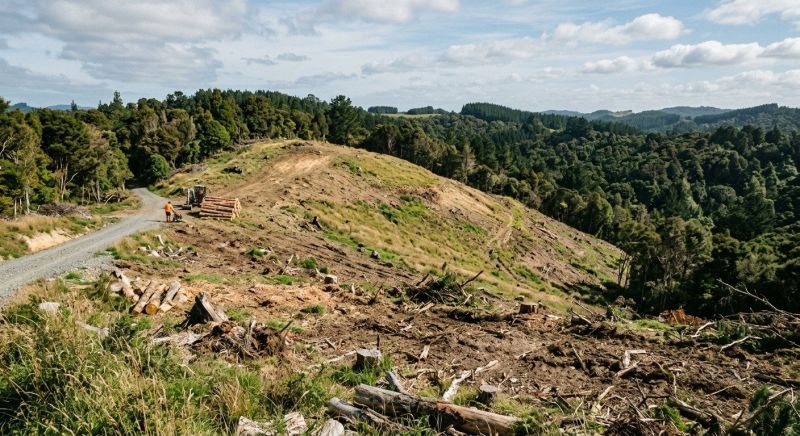
Undergrowth Removal in Houston, TX
Undergrowth removal services focus on clearing dense, overgrown vegetation that can accumulate in yards, gardens, and natural areas around a property. This service typically includes removing brush, weeds, small shrubs, and tangled underbrush to improve the appearance of the landscape, reduce fire hazards, and create safer, more accessible outdoor spaces. Projects often involve clearing areas that have become difficult to maintain or access, preparing land for new planting, or restoring natural habitats. Property owners should consider the extent of overgrowth, types of vegetation involved, and the desired outcome when requesting undergrowth removal to ensure the service meets their specific needs.
Before requesting undergrowth removal, homeowners usually want to understand the scope of work, including which areas will be cleared and how the debris will be handled. It’s helpful to consider any restrictions related to nearby structures, trees, or underground utilities, as well as the potential impact on local wildlife. Clarifying these details can lead to a more effective removal process and help property owners plan for subsequent landscaping or land management efforts. Proper assessment of the site ensures the project aligns with safety considerations and long-term property goals.
Many property owners in Houston, TX look into Undergrowth Removal for repairs, replacements, upgrades, and appearance-related improvements.
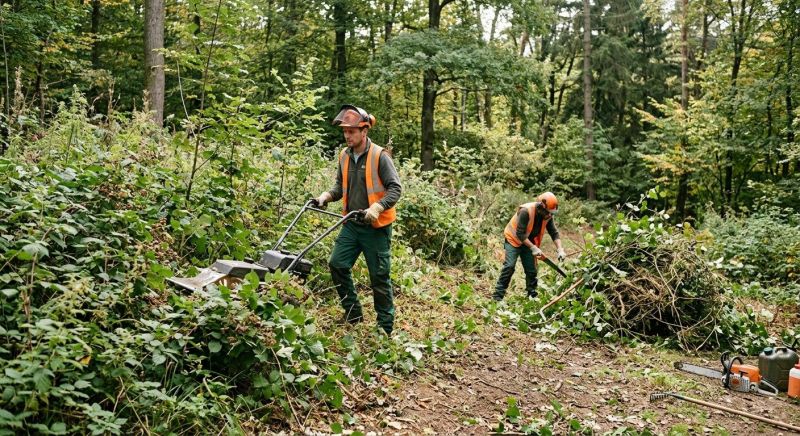
Benefits Of Undergrowth Removal
Clearing undergrowth can improve safety and visibility around your property.
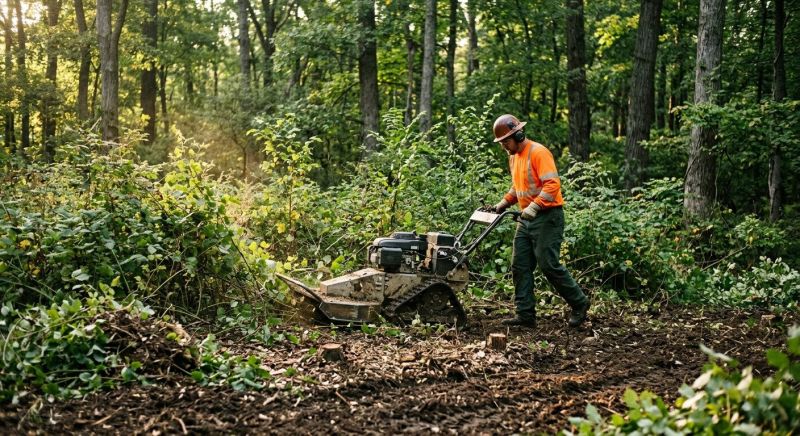
Common Reasons For Removal
Property owners often remove undergrowth to prevent pests and prepare for landscaping projects.
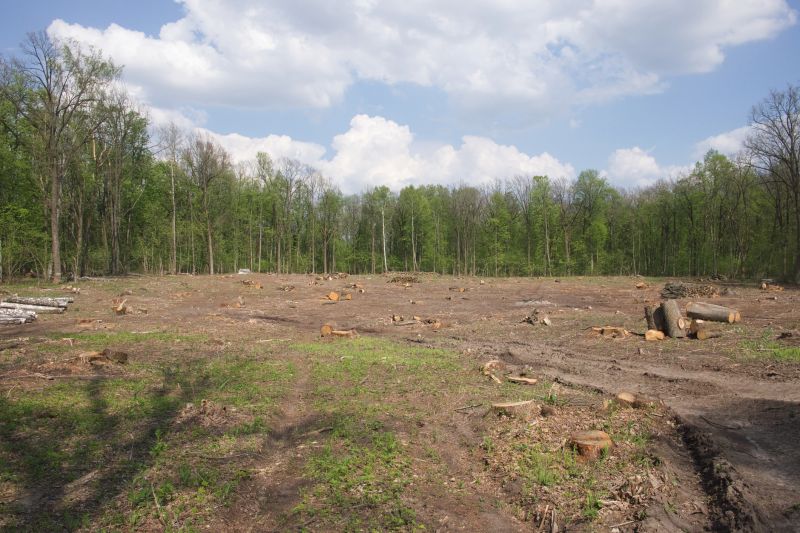
Types Of Undergrowth Addressed
Services typically include removal of brush, small shrubs, and invasive plants in houston and nearby areas.
Undergrowth Removal in Houston, TX

Undergrowth removal services focus on clearing dense, overgrown vegetation that can accumulate in yards, gardens, and natural areas around a property. This service typically includes removing brush, weeds, small shrubs, and tangled underbrush to improve the appearance of the landscape, reduce fire hazards, and create safer, more accessible outdoor spaces. Projects often involve clearing areas that have become difficult to maintain or access, preparing land for new planting, or restoring natural habitats. Property owners should consider the extent of overgrowth, types of vegetation involved, and the desired outcome when requesting undergrowth removal to ensure the service meets their specific needs.
Before requesting undergrowth removal, homeowners usually want to understand the scope of work, including which areas will be cleared and how the debris will be handled. It’s helpful to consider any restrictions related to nearby structures, trees, or underground utilities, as well as the potential impact on local wildlife. Clarifying these details can lead to a more effective removal process and help property owners plan for subsequent landscaping or land management efforts. Proper assessment of the site ensures the project aligns with safety considerations and long-term property goals.
Many property owners in Houston, TX look into Undergrowth Removal for repairs, replacements, upgrades, and appearance-related improvements.
Common Undergrowth Removal Jobs
Undergrowth Removal - Clearing overgrown plants and shrubs to improve yard appearance and accessibility.
Vegetation Clearing - Removing dense underbrush to reduce fire hazards and pest habitats.
Brush and Bush Removal - Trimming or removing thick bushes that obstruct pathways or views.
Overgrown Yard Cleanup - Restoring neglected areas to create a tidy and functional outdoor space.
Weed and Shrub Removal - Eliminating invasive plants to promote healthier lawn growth.
Underbrush Clearing - Clearing low-lying plants to enhance property safety and aesthetics.
Undergrowth Removal Questions
What is undergrowth removal? It involves clearing out small plants, shrubs, and weeds that grow close to the ground to improve the appearance and health of a landscape.
When should undergrowth removal be done? It is typically performed when overgrowth begins to obstruct pathways, reduce sunlight, or negatively affect plant health.
What types of properties benefit from undergrowth removal? Residential yards, commercial landscapes, and public parks often require undergrowth removal to maintain safety and aesthetics.
What are common reasons for removing undergrowth? To prevent pest habitats, improve visibility, promote healthier plant growth, and prepare for landscaping projects.
Request Undergrowth Removal in Houston, TX
Use the quote form on this page to share the basics of your project and request more information for the type of work you need.